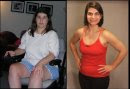
Welcome to My Journey with P90X!

P90X 2 Available NOW!

Showing posts with label lowfat diet. Show all posts

Saturday, May 28, 2011

My biggest problem..not eating enough!!!!!!

I have to admit this was the hardest mental shift for me when I started P90X 2 years ago.  I was a consummate  "dieter" for my entire life.  Of course I thought diet meant stop eating because it had to be the quantity of food I was eating that was making me gain weight and not the numerous trips to McDonald's and Dairy Queen that was making my clothes become tighter with each passing month.  As you can imagine it took tremendous effort to overcome that blueprint in my head.  Fortunately I had my husband/coach to encourage me to look at the science behind the meal plans offered with the workout program.  I realized that I was working hard and my body NEEDED fuel not the other way around.  Here is an article that explains what I'm talking about..don't just take my word for it!  There is no trick to becoming healthier..it just takes effort (exercise) and fuel (good food)!  If you are doing the work, and not seeing results try upping your intake by 100 to 200 calories for a two week period just to see what happens.  If you are just beginning your journey, commit to eating regularly right away...you will see better results.  Food is not your enemy!

Have a terrific HEALTHY day :)

~~~~~~~~~~~~~~~~~~~~~~~~~~~~~~~~~~~~~~~~~~~~~~~~~~~~~~~~~~~~~~~~~~~~~~~~~

Am I eating enough?
Contrary to popular belief, sometimes you have to eat more to lose weight. While that may sound counterintuitive, it often does the trick. Here's why:
  1. Couple EatingMetabolism is the key to weight loss. If you don't eat enough, or often enough, your metabolism slows to a crawl and weight loss becomes more difficult, especially when you're exercising. That's why skipping meals isn't a good idea if the goal is to shed pounds.

    Tip: Always eat breakfast to kick-start metabolism and try eating mini-meals throughout the day to keep your metabolism fired up.
  2. To keep your metabolism up, you MUST eat. Conventional wisdom dictates that when you first start dieting, the less you eat, the better. While it's true that you often should eat less, eating too little can backfire over time. As your body composition changes, your body will think it's starving, which can make it hold on to fat. (The process actually has to do with excessive release of a hormone called cortisol, but you don't need to know the details, so we'll just call it fat.) To avoid this, most experts agree that over time, you shouldn't eat fewer than 1,200 calories per day for women, 1,500 for men. If your daily diet consists of fewer calories than that, consider eating more.

    Tip: Keep a food diary to track calories.
  3. You need more calories when you work out. If you're exercising while following a low-calorie eating plan, you'll need to take into account the calories you're burning. That's because it's now easier to enter starvation mode. Let's say you're burning 400 calories and only eating 1,200 to 1,300 calories per day. This means you're really only taking in 800 to 900 calories per day before you begin to calculate how your body composition is changing. Muscle burns more calories at rest than fat does, so as your body changes, you need to eat more to keep the weight loss coming.

    Tip: Drink an after-workout recovery drink like P90X Results and Recovery Formula®. After hard workouts, its calories are utilized so quickly by your body, some people refer to them as "free calories." They really aren't, but those calories will ensure that your muscles (and metabolism) recover quickly.
And remember this:
Team Beachbody®—My Meal PlannerFiguring out to what to eat, how much to eat, and when to eat isn't easy. That's why people often refer to losing weight as a journey. It takes a few different paths to get there. Sometimes you have to adjust your ratio of protein, fat, and carbs to start losing again. Or adjust your calorie level, which can include eating more to lose weight.
Tip: Use the Team Beachbody® Meal Planner. It can make figuring out your calories much, much easier. You can personalize an eating plan that takes your workouts into consideration.
Finally, if you're still on the fence about needing to eat more to lose weight: You might be thinking, "How come I know some really skinny people who barely eat?"
The answer is this: You can eventually lose weight by not eating. It's called starving. Reduce calories enough and your body will start breaking down its muscle tissue, and this will result in weight loss. However, it makes your body increase its emergency hormonal responses, which also causes your body to be stressed and hang onto fat, making it.very easy to gain the weight back again.
So I hope you take this thought away with you today: The idea is to keep your metabolism revving and running. This will help you get healthy and stay strong. Eat the right amount of food to help your body continuously burn calories, and you're more likely to shed those unwanted pounds.

Tuesday, March 29, 2011

Do you think Fat is the enemy?

You might think that to lose weight, you need to cut the fat out of your meals. After all, fat is higher in calories than protein and carbs, and low-fat diets have been popular since the Senate Nutrition Committee first recommended them in the late 1970s. But research shows that a moderate-fat diet (with about 35 percent of calories consumed coming from fat) will help you drop pounds permanently, feel full longer, and avoid bingeing. The trick is to eat the right kind of fat to increase satisfaction and boost weight loss. Here's why it's important to eat fat—and we offer five of the best fat sources to add to your diet.

Salmon

How eating fat will help you lose fat.

In 2008, researchers at Ben-Gurion University of the Negev in Israel found that people who followed low-fat diets lost less weight than people who followed low-carb or moderate-fat diets. The low-fat group lost an average of 6.5 pounds over 2 years, but the low-carb and moderate-fat groups lost about 10 pounds. Women did especially well on the moderate-fat diet, losing an average of 13 pounds during the study.
Fat is an important element in weight loss for several reasons:
  • Fat helps your body control blood sugar and insulin spikes after eating carbohydrates. Better sugar metabolism means less fat storage.
  • Fat slows down digestion and aids nutrient absorption. You'll stay fuller longer and get more health benefits from the food you eat.
  • Essential fatty acids (like omega-3s) may boost your metabolic rate and increase fat burning.
  • Fat tastes good. It also provides a "mouthfeel" that is satisfying, which can help you be happy with less food.
Eating more fat may also help you stick to your diet longer. In a study conducted by Brigham and Women's Hospital in Boston, participants got either 20 percent of their calories from fat or 35 percent of their calories from fat. After 6 months, both groups had lost weight. But after 18 months, only 20 percent of the people in the low-fat group were still following the diet, compared with 54 percent of the people in the moderate-fat group. Likewise, the subjects in the moderate-fat group had maintained their weight loss, while the low-fat group participants had gained most of the weight back.
If you reach for a box of low-fat or fat-free crackers or cookies because you want to lose weight, you may actually be sabotaging your diet. Manufacturers frequently replace fat with sugar in packaged food items to make them taste better. You think you're making a good decision by eating fat-free products, but the excess sugar and refined flour can lead to fatigue, cravings, mood swings, and weight gain caused by the overproduction of insulin—the fat-storage hormone. As a snack, a sliced apple with some peanut butter or a salad with oil and vinegar dressing would be a better weight loss choice. The complex carbs and healthy fats will maintain your blood sugar levels, boost your energy, and keep you satisfied longer.
What kind of fat should you eat? To get lean, you need to eat the right kind of fat. Avoid saturated and trans fats (which are found in red meat, full-fat dairy products, and many packaged foods), and instead choose monounsaturated and polyunsaturated fats. Here are some of the best sources of fat to help you reach your weight goal.
  1. Core Omega-3™Fish. Fish like salmon, albacore tuna, herring, mackerel, and sardines contains beneficial amounts of omega-3 fatty acids. Most experts agree that eating two servings of fatty fish per week is safe for people who are worried about mercury or other toxins. (Pregnant women should consult with their doctors about consuming fish.) If you don't like fish, a quality supplement like Beachbody's Core Omega-3™ will give you the benefits without the fishy taste.
  2. Olive oil. Heart-healthy oils like olive, canola, and peanut oil are excellent sources of fat for dieters. They have also been shown to lower bad cholesterol and reduce the risk of heart disease. Use them sparingly when sautéing, or drizzle them over your favorite salad or vegetables with a little vinegar and some herbs to maximize the absorption of nutrients. Moderation is important: You really only need about a teaspoon of oil to get all its benefits. Using more will add significant calories.
  3. Avocados. Eat a spinach and carrot salad with a little avocado, and you'll not only get a dose of good fat, but you'll also absorb more phytonutrients like lutein and beta-carotene. Scientists at Ohio State University in Columbus found that more antioxidants were absorbed when people ate a salad containing avocados than when they ate a salad without this tasty fruit. One-quarter of an avocado will add flavor while only adding about 75 calories.
  4. Nuts. Almonds, walnuts, pecans, and peanuts are powerhouses of good nutrition—full of antioxidants, minerals, and monounsaturated fat. The Nurses Health Study, where more than 86,000 nurses were followed for 14 years, found that those who ate nuts regularly (about an ounce per day) tended to weigh less than those who didn't. The protein, fat, and fiber make nuts more filling, which helps dieters stay on track. Plus there's a psychological bonus to eating nuts: Because they're rich and satisfying, you probably won't feel like you're on a diet.
  5. Flaxseeds. Packing the triple wallop of fat, protein, and fiber, flaxseeds are a delicious and healthful addition to any diet. You can grind them up and add them to oatmeal, yogurt, salads, or vegetables, or pretty much anywhere you want a nutty crunch. They're a plant source of omega-3 fatty acids, making them a good choice for vegetarians or the aforementioned non-fish-loving folks. Ground flaxseeds also have 3 grams of fiber per tablespoon, which helps slow digestion and keep your blood sugar stable.

Making room for fat.

Certain fats might be considered necessary for health, but that's not a cue to overindulge. At 9 calories per gram, fat is a more concentrated energy source than either protein or carbohydrates (each has 4 calories per gram). You need to be mindful of your overall caloric intake if you want to eat more fat and lose weight. But when you feel full and satisfied after eating the right kinds of fat, you'll probably find it a bit easier to manage your calories.

The product that changed my life!